Cow Culture
16 guides from our Kigali-based team.
In Rwanda the word Inka means cow, and cattle sit at the centre of the country's oral history, poetry, greetings and family life. For generations a herd meant wealth, a gift of a cow sealed friendships and marriages, and a long-horned Inyambo stood for dignity and beauty. Those traditions are not museum pieces. They continue in daily life, in ceremonies, and in a national programme that has put cows into the hands of poor households.
The articles in this section explain the vocabulary, the history and the present-day practices with care. They show where visitors can meet Inyambo cattle and their herders, what respectful behaviour looks like, and how a day of cow culture can fit into a Kigali itinerary. We take cultural detail seriously: where we are not certain of a point, we leave it out.
If you would like to see this tradition for yourself, our cow culture experience is built around a herding family and a guide who speaks Kinyarwanda. Our note on what the name Inka means is the best place to start, and our wider cultural tours show how cattle connect to the royal history you will meet at Nyanza.
The articles are written for visitors with no background in the subject. They start from what you can see and hear on a visit, and add the history and vocabulary as you need it. If you plan to travel with children, our notes explain how to introduce the ideas simply and how to behave around the animals.

A Cow Culture Day Trip from Kigali
Read more
Inyambo vs Ankole: Rwanda's Cattle Breeds Explained
Read more
Traditional Herding Life in Rwanda
Read more
Cow Horn Crafts and Cattle-Inspired Souvenirs
Read more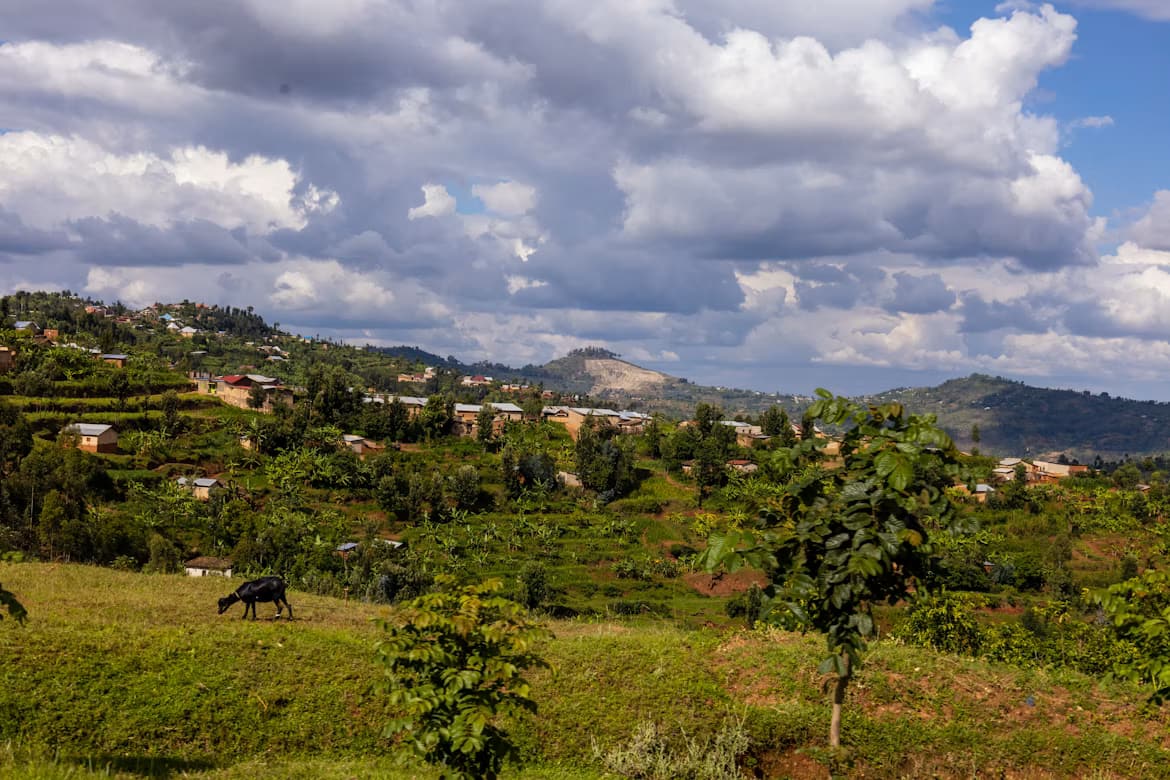
Nyagatare: Rwanda's Cattle Country
Read more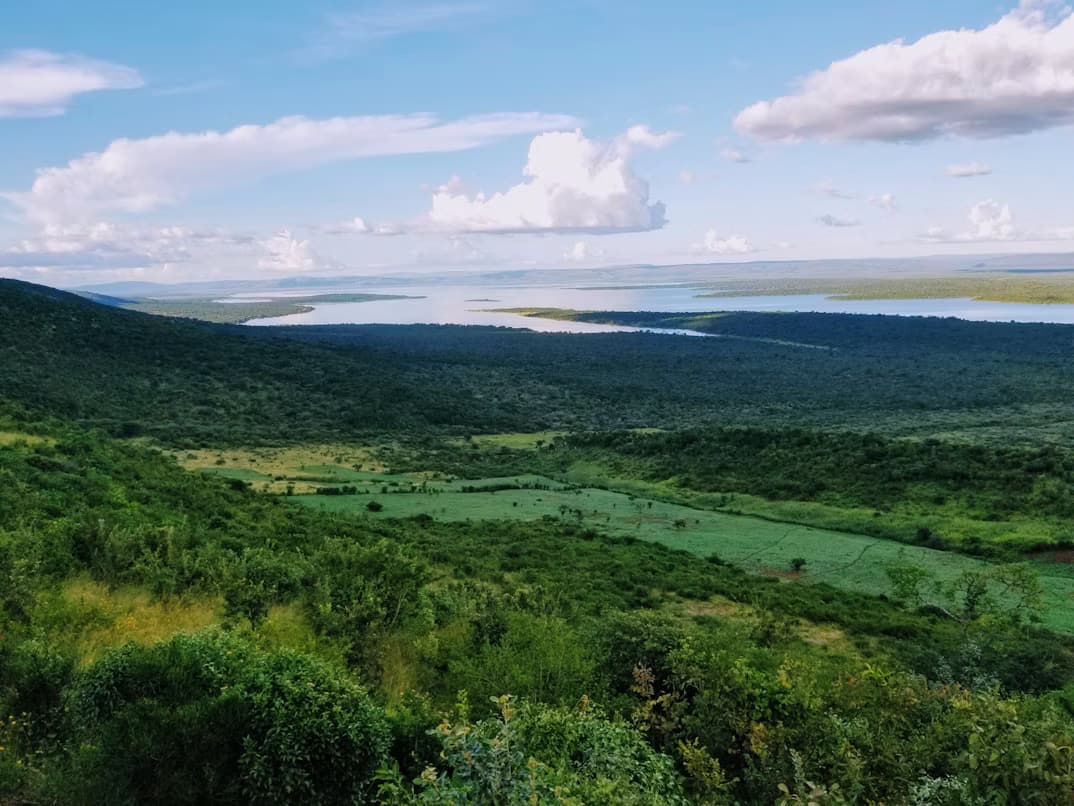
How Cows Shaped Kinyarwanda: Greetings, Names and Sayings
Read more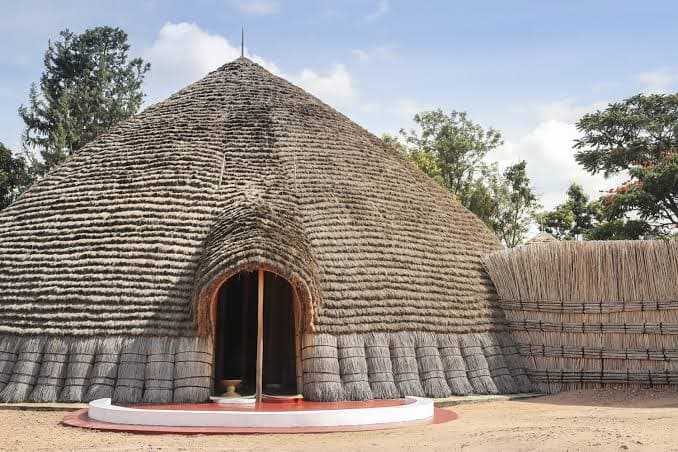
Kigali Milk Bars: Where Locals Drink Fresh Milk
Read more
Igisabo and Inkongoro: Rwanda's Traditional Milk Vessels
Read more
Rwanda's Milk Culture: Amata and Ikivuguto
Read moreCows in Rwandan Dance, Song and Storytelling
Read moreAmazina y'Inka: The Praise Poetry of Rwandan Cows
Read moreInkwano: Cows and Bride Price in Rwandan Marriage
Read moreWhy Rwandans Give Cows as Gifts
Read moreInyambo: Rwanda's Long-Horned Royal Cattle
Read moreGirinka: Rwanda's One Cow per Poor Family Programme
Read moreWhat "Inka" Means: The Cow at the Heart of Rwandan Culture
Read morePlan your Rwanda trip
Tell us your dates and interests and we will reply with a first draft itinerary.