
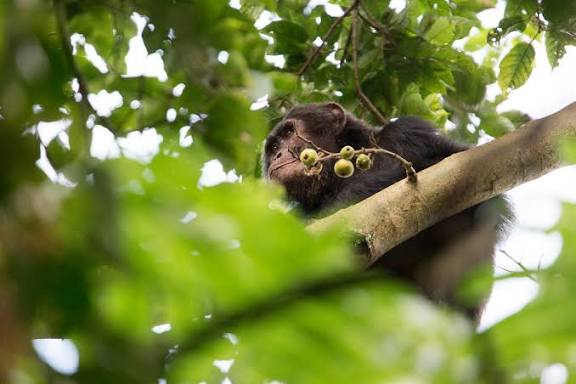
Nyungwe and Lake Kivu pair naturally on a Rwanda itinerary: active forest trekking followed by restful lakeside days. Nyungwe typically comes first, with Lake Kivu serving as recovery time afterward. Five to six days total, split roughly evenly between the two, gives a well-paced trip without rushing either destination.
Table of Contents
Why These Two Destinations Pair So Well
Nyungwe's chimpanzee trekking, hiking trails and canopy walk are active, often physically demanding days, while Lake Kivu offers a deliberately different register: boat trips, lakeside dining, and unstructured relaxation time. This contrast is exactly what makes the pairing work: rather than two similar forest or two similar water-based destinations competing for the same kind of attention, each complements what the other doesn't offer.
A Sample Combined Structure
A typical six-day structure: Days 1-3 in Nyungwe covering chimpanzee trekking, the canopy walk, and a lighter activity; Days 4-6 on Lake Kivu for boat excursions, lakeside meals, and downtime. See our 3-day Nyungwe itinerary for how the first half typically plays out, and our Lake Kivu activities guide for the second half.
"Each destination complements what the other doesn't offer."
Which Order Makes More Sense
Nyungwe first, Lake Kivu second is the more common and generally more sensible structure, using the lake as recovery time after the forest's more physically demanding days rather than starting your trip already tired from travel and then adding strenuous activity on top. Reversing the order can work for travelers who specifically want to ease into their trip before the more demanding forest days, though this is the less common approach.
Adding Cyamudongo Along the Way
Cyamudongo Forest's location makes it a practical addition for travelers already routing between Nyungwe's main sector and Lake Kivu, rather than a detour requiring significant extra travel. See our Cyamudongo chimpanzee trekking guide for how this fits into the broader route if a second, quieter chimp trekking experience appeals to you.
Transfer Logistics Between the Two
The drive between Nyungwe and Lake Kivu is relatively short given Rwanda's compact geography, making this one of the more straightforward multi-destination transfers in a typical Rwanda itinerary. Confirm current drive time with your operator, since it varies depending on which specific lakeshore town (Rubavu, Karongi, or Rusizi) you're heading to.
Who This Combination Suits Best
This pairing suits nearly every kind of traveler given its built-in pacing variety: honeymooners get active days followed by romantic lakeside time, families get engaging forest activities balanced against restful water days, and solo travelers or couples get a well-rounded trip without needing to add a third destination for pace variety.
Accommodation Across Both Legs
Booking accommodation for each leg separately (a Nyungwe-area lodge for the forest days, a lakeside property for the Lake Kivu days) is the standard approach, rather than trying to base yourself in one location for the whole trip. See our Nyungwe accommodation guide for the first leg, and consider which lakeshore town suits your priorities for the second, since Rubavu, Karongi and Rusizi each offer a different character.
Booking both legs through a single operator, rather than arranging each destination independently, generally makes the transfer between them smoother, since one point of contact can coordinate timing and logistics across the whole trip rather than requiring you to manage the handoff yourself.
Budget Considerations for This Combination
Costs across this combination vary meaningfully by activity choice: chimpanzee trekking's permit cost is a fixed, known expense, while Lake Kivu's costs depend heavily on which activities and accommodation tier you choose there. Confirm current pricing for both legs with your operator when planning, since this combination's total cost can vary considerably depending on how much of each destination's premium experiences you include.
Frequently Asked Questions
How far is Lake Kivu from Nyungwe National Park?
They're relatively close given Rwanda's compact geography; confirm current driving time with your operator, since it varies depending on which part of the lakeshore you're heading to.
How many days should I budget for both Nyungwe and Lake Kivu?
Five to six days total works well: two to three for Nyungwe's activities and two to three for Lake Kivu's more restful pace.
Should Nyungwe or Lake Kivu come first in the itinerary?
Nyungwe first is the more common structure, using Lake Kivu as restful recovery time after the forest's more demanding activities.
Can I combine Cyamudongo with this Nyungwe-Lake Kivu route?
Yes. Cyamudongo's location makes it a practical addition for travelers already routing between Nyungwe and Lake Kivu.
What's the main appeal of pairing these two destinations?
Genuine contrast: Nyungwe's active forest trekking followed by Lake Kivu's slower, water-based rest days complement each other well within one trip.
Is this combination suitable for a family trip?
Yes. The contrast in pace often suits families particularly well, balancing active forest days with more relaxed lakeside time for all ages.
Should I book accommodation for both legs through one operator?
It's generally recommended: one point of contact coordinating both legs makes the transfer and timing between destinations smoother than arranging each independently.