
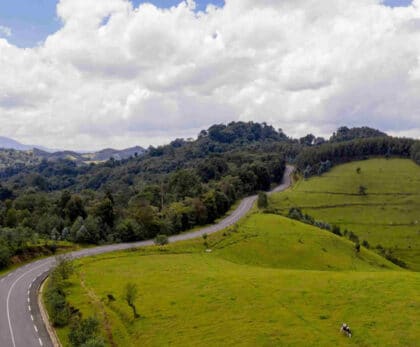
Self-drive is technically possible in Rwanda and the road network is generally good, but most visitors, and most operators, recommend a private driver-guide instead, since it removes navigation stress, adds local knowledge, and is often similarly priced once you factor in rental, fuel and insurance costs. The biggest risk with self-drive is timing around fixed activities like gorilla trekking briefings, where a wrong turn can cost you a permit.
Table of Contents
What Self-Drive Actually Involves
Rwanda's main roads are well-maintained and generally easy to navigate, but driving conventions, road signage in Kinyarwanda/French, and unfamiliar traffic patterns in Kigali can add real stress for first-time visitors. Driving is on the right-hand side of the road, and while paved main routes between major destinations are in good condition, secondary roads near some rural attractions can be unpaved and considerably rougher, which matters if your itinerary includes more remote sites.
Kigali's own traffic, while far calmer than many other African capitals, still involves motorcycle taxis weaving between lanes and pedestrian patterns that take some adjustment for visitors unfamiliar with them, and rush-hour congestion around the city centre is a factor worth planning around if self-driving in and out of the capital.
Self-Drive and Gorilla Trekking Logistics
Gorilla trekking involves a specific, early-morning briefing time at a fixed location in Musanze, and missing this slot due to a wrong turn or traffic delay risks losing a permit that cost real money and took real planning to secure. This is the single biggest practical argument against self-drive for anyone whose Rwanda trip centres on trekking. A driver-guide who already knows the exact route and current road conditions removes this specific risk entirely. Our guide to booking a gorilla trekking permit and Kigali to Volcanoes National Park route guide cover this logistics chain in more detail.
A Realistic Cost Comparison
Self-drive costs typically include the daily rental rate, fuel, mandatory insurance, and often a security deposit held on a credit card for the rental period for current rates, since rental pricing varies by company, vehicle type and season. Once these are totalled across a multi-day trip, the gap versus a private driver-guide (who typically bundles vehicle, fuel and driving into one all-inclusive daily rate) is often smaller than travellers expect going in.
The cost difference, where it exists, needs to be weighed against what a driver-guide adds beyond just driving: local knowledge of current road conditions, the ability to navigate permit and park logistics without any risk of a wrong turn, and someone to talk to about what you're seeing along the way, which many travellers find adds real value beyond pure convenience.
Fuel, Checkpoints and Other Practicalities
Fuel stations are common along main routes between major towns and cities, though it's worth topping up before heading into more rural areas rather than assuming the next station is close by. Police checkpoints are a routine, non-alarming feature of driving in Rwanda, and having your rental documents, driving permit and passport readily accessible makes these brief stops go smoothly. They're a standard part of road safety enforcement rather than anything to be concerned about.
Night driving on rural roads is generally best avoided regardless of experience level, since unlit roads, pedestrians and cyclists sharing the same road space, and the general absence of streetlighting outside major towns combine to make visibility noticeably more difficult after dark. This applies whether self-driving or being driven, and most itineraries are planned around daylight road travel for exactly this reason.
Why Most Visitors Choose a Driver-Guide
A driver-guide adds local knowledge, handles all navigation and permit logistics, and once you account for rental costs, fuel and insurance, the price difference versus self-drive is often smaller than expected, while the convenience gain is significant. This is particularly true for shorter trips where the time spent researching and arranging self-drive logistics could otherwise be spent enjoying the destination.
"The convenience gain is significant relative to the modest cost difference."
When Self-Drive Might Make Sense
Experienced independent travellers comfortable with unfamiliar road systems and confident navigating without English-language signage throughout may still prefer the flexibility of self-drive. It's a valid choice, just not the default recommendation for most visitors. It tends to suit longer trips with a very open-ended itinerary, travellers who specifically enjoy independent road-tripping as part of the travel experience itself, and those confident managing unfamiliar vehicle logistics like fuel availability in more remote areas without local support on hand.
It suits less well anyone on a tight, date-specific itinerary involving gorilla trekking permits, first-time visitors to East Africa generally, and anyone who would rather spend mental energy enjoying the scenery than watching for the next unfamiliar road sign.
Practical Tips If You Do Self-Drive
For travellers who do choose self-drive, downloading offline maps before departure is worth doing given that mobile data coverage, while generally good in populated areas, isn't universal in more remote regions. Confirming your international driving permit requirements with your specific rental company well before arrival avoids an unwelcome surprise at the counter, and photographing your rental agreement and vehicle condition at pickup protects against disputes at return.
It's also worth building extra time into any day involving an early park entry or a specific briefing slot, since unfamiliarity with the route is the single biggest source of self-drive delay for first-time visitors, and a comfortable buffer removes most of the risk that unfamiliarity creates.
Finally, it's worth weighing whether the trip you have planned suits self-drive at all before committing. A trip centred heavily around gorilla trekking, with its fixed permit timing, is a fundamentally different logistics challenge from a more open-ended road trip with flexible dates, and being honest about which kind of trip you're actually planning makes the self-drive-versus-driver-guide decision considerably clearer.
Frequently Asked Questions
Do I need an international driving permit to rent a car in Rwanda?
Requirements vary by rental company. Check directly with your chosen provider, as an international driving permit is commonly required.
Is self-drive cheaper than hiring a driver-guide?
Once rental, fuel and insurance costs are factored in, the difference is often smaller than expected, while a driver-guide adds considerable convenience and local expertise.
What's the biggest risk of self-driving to a gorilla trekking briefing?
Missing the fixed early-morning briefing time due to a wrong turn or delay, which risks losing a permit that took real planning to secure.
Which side of the road does Rwanda drive on?
The right-hand side, similar to most of mainland Africa and continental Europe.
Are Rwanda's roads well maintained?
Main paved routes between major destinations are generally in good condition, though secondary roads near remote sites can be unpaved and rougher.
Is mobile data coverage reliable enough for self-drive navigation?
Generally good in populated areas but not universal in remote regions. Download offline maps before departure as a precaution.
Who does self-drive suit best in Rwanda?
Experienced independent travellers with an open-ended itinerary who enjoy road-tripping and aren't tied to date-specific permit logistics.
Should first-time visitors to East Africa self-drive?
It's not the recommended default: a driver-guide removes navigation stress and permit-timing risk for anyone unfamiliar with the region.