
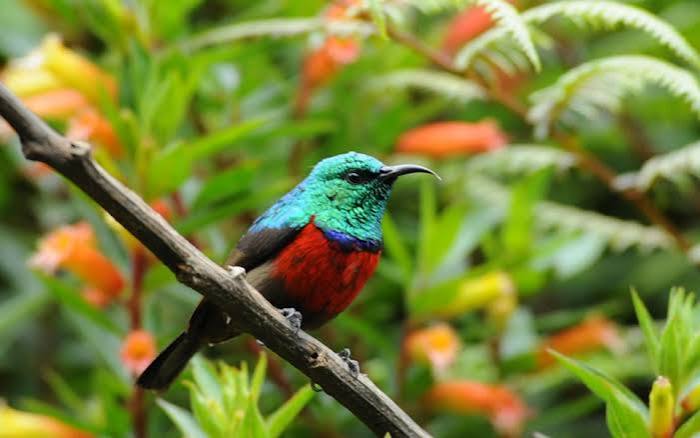
Nyungwe is one of Africa's premier birding destinations, with several hundred recorded species including a significant share of Albertine Rift endemics. Forest-edge trails near the tea plantations and the Kamiranzovu swamp area offer the most varied sightings, early morning gives the best activity, and a specialist bird guide makes a difference if identification matters to you.
Table of Contents
Why Nyungwe Is a Major Birding Destination
Nyungwe's status as one of Africa's most significant birding sites comes down to two things: sheer species count, with several hundred recorded species within the park, and the concentration of Albertine Rift endemics: birds found in this narrow highland strip running through the region and almost nowhere else on the continent. For dedicated birders, that endemic list is the real draw; see our Albertine Rift endemic birds guide for the specific species worth prioritising.
Best Trails and Areas for Birding
Forest-edge sections, particularly areas bordering the tea plantations, tend to produce the most varied sightings in a single outing, since they combine forest-interior species with edge-loving birds that favour the transition zone between habitats. The tea plantation areas themselves are worth a dedicated look for this reason: the small orange-headed birds that favour tea bush cover are a distinctive sight. The Kamiranzovu swamp offers a different habitat type again, drawing species that favour open wetland over dense canopy.
"A concentration of species found in this narrow highland strip and almost nowhere else."
Timing Your Birding Outing
Early morning, shortly after sunrise, is consistently the most productive window for bird activity, matching the pattern seen across most tropical forest birding destinations. Activity tends to quiet noticeably by mid-morning as temperatures rise, picking up again somewhat in late afternoon, though the early window remains the strongest single opportunity if your schedule only allows one outing.
What to Bring
Binoculars are essential rather than optional: much of Nyungwe's forest canopy sits well above eye level, and casual observation without magnification misses the majority of activity. A zoom-capable camera helps with documentation and later identification of species you couldn't place in the moment, and a field guide or app covering Albertine Rift species adds real value if precise identification matters to you specifically.
Booking a Bird-Specialist Guide
A standard park guide can point out common, easily identified species, but travellers with serious birding goals should specifically request a guide with bird-specialist experience when booking, since identification skill and knowledge of specific calls varies meaningfully between guides. Confirm current availability of specialist bird guides with your operator, since this is a more limited pool than general park guiding.
Booking ahead matters more for a specialist guide than for a general trail guide, since there are fewer of them and demand from serious birders is global. If birding is a primary reason for your Nyungwe visit rather than a secondary interest, raise this with your operator as early as possible in the planning process rather than requesting it once you've already arrived.
What a Birding Morning Actually Looks Like
A typical dedicated birding outing moves slowly and deliberately: far more stop-and-scan than steady walking pace, since most sightings come from pausing at a productive spot rather than covering ground. Expect a three- to four-hour morning session to be rewarding without becoming exhausting, longer if you're combining birding with a broader hiking trail rather than a dedicated birding-focused route.
Sunbirds: The Easiest Highlight to Spot
Even without specialist knowledge, sunbirds are one of the most rewarding sights for any visitor with a pair of binoculars: their iridescent greens, blues and reds shift dramatically depending on the light angle, and several species favour flowering shrubs at forest edges and around the tea plantations where they're easy to observe feeding. Unlike many of the forest's more elusive endemic species, sunbirds don't require deep patience or expert tracking to enjoy, which makes them a natural highlight for travellers combining a general Nyungwe visit with an interest in birds rather than committing to a full specialist outing.
Combining Birding With Other Activities
Dedicated birding doesn't have to mean sacrificing the rest of what Nyungwe offers: a focused early-morning birding session pairs naturally with an afternoon on the canopy walkway or a shorter forest trail later the same day, since bird activity tapers off by late morning regardless of what else you do. Travellers building a longer Nyungwe stay around birding specifically should budget at least two mornings to meaningfully improve their species count, since forest birding rewards repeated attempts at the same productive spots as much as covering new ground.
Frequently Asked Questions
How many bird species are in Nyungwe National Park?
Nyungwe hosts several hundred recorded bird species, including a significant number of Albertine Rift endemics found in few other places on Earth.
Do I need a specialist guide for birdwatching in Nyungwe?
A standard park guide can point out common species, but travellers with serious birding goals should specifically request or book a bird-specialist guide, since identification skill varies between guides.
What's the best trail for birdwatching in Nyungwe?
Forest-edge trails and areas bordering the tea plantations tend to offer the most varied sightings, since they combine forest-interior species with edge-loving birds in one accessible area.
What time of day is best for birding in Nyungwe?
Early morning, shortly after sunrise, is consistently the most active period for bird activity, similar to most tropical forest birding destinations.
What gear should I bring for birdwatching in Nyungwe?
Binoculars are essential, a zoom-capable camera is useful for documentation, and a field guide or app covering Albertine Rift species adds significant value if you're serious about identification.
Is Nyungwe birdwatching good for beginners, or only serious birders?
Both. The sheer density and colour of species like sunbirds makes for an enjoyable outing even without specialist knowledge, while the endemic species list rewards more dedicated birders.
How many mornings should I dedicate to birding for a meaningful species count?
At least two mornings is a reasonable minimum for a noticeably fuller species list, since repeated visits to productive spots tend to add more sightings than a single outing alone.