
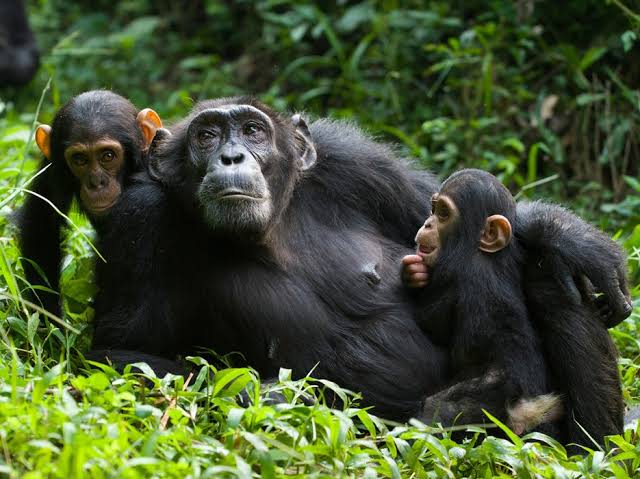
Nyungwe's conservation model combines guided-trail access rules, ranger-led habitat protection, and tourism revenue that funds ongoing park management, similar in principle to how gorilla trekking supports Volcanoes National Park. Community engagement and benefit-sharing form part of Rwanda's broader conservation approach, and visitors contribute directly through park fees and responsible operator choice.
Table of Contents
- How the Forest and Wildlife Are Protected
- The Role of Tourism Revenue
- How Local Communities Factor In
- Historical Threats and Ongoing Pressures
- Balancing Habituation With Wild Behaviour
- What Visitors Can Do Beyond Paying Fees
- What "Responsible" Actually Means for Your Booking
- Why This Matters Beyond a Single Trip
- Frequently Asked Questions
How the Forest and Wildlife Are Protected
Nyungwe's protection rests on a combination of guided-trail access rules (no unsupervised entry into the park), ranger patrols, and habitat management that keeps human activity concentrated on maintained routes rather than spread across the forest. This structure, covered in practical terms in our hiking trails planning guide, exists as much for conservation as for visitor safety, since predictable, confined visitor movement reduces disturbance to wildlife and vegetation compared to unrestricted access.
The Role of Tourism Revenue
Park entry fees and trail permits contribute directly to Rwanda's conservation funding model, a structure similar in principle to how gorilla trekking revenue supports Volcanoes National Park's conservation programmes. Confirm current fee structures and how revenue is specifically allocated with the park authority if precise figures matter to you, since funding models and allocation details are periodically revised.
"Predictable, confined visitor movement reduces disturbance to wildlife and vegetation."
How Local Communities Factor In
Community engagement and benefit-sharing form part of Rwanda's broader national park conservation approach, recognising that long-term forest protection depends on communities near the park having a stake in its preservation rather than viewing it purely as a restricted resource. Confirm current specific community programmes and initiatives directly with the park authority, since these develop and change over time.
Historical Threats and Ongoing Pressures
Like many forest reserves globally, Nyungwe has historically faced pressure from encroachment and resource extraction by surrounding communities, particularly before formal protection and community-engagement structures matured. Current management approaches aim to balance strict habitat protection with providing legitimate economic alternatives to activities that would otherwise pressure the forest boundary.
Balancing Habituation With Wild Behaviour
Chimpanzee habituation for tourism (the gradual process of acclimating a community to human presence for guided viewing) is managed carefully to balance visitor access against preserving genuinely wild behaviour patterns. Specific population trend data and habituation management details are best confirmed with official park sources rather than general assumption, since this is actively monitored, technical conservation work.
What Visitors Can Do Beyond Paying Fees
Choosing a responsible operator who follows guided-trail rules, supporting community-based tourism initiatives around the park, and simply respecting wildlife-viewing etiquette on every trail are all direct ways visitors contribute to Nyungwe's conservation beyond the entry fee itself. See our why the forest matters guide for the broader ecological context behind why this conservation work carries such significance.
What "Responsible" Actually Means for Your Booking
An operator genuinely aligned with Nyungwe's conservation priorities is one that follows guided-trail rules strictly rather than seeking shortcuts, briefs travellers clearly on wildlife-viewing etiquette before entering the park, and doesn't pressure guides to push closer to wildlife than park rules allow for a better photo. These aren't abstract ideals: they're concrete, observable behaviours you can ask about directly when booking, and a transparent operator will answer these questions plainly rather than deflecting.
It's reasonable to ask your operator specifically how they brief guests on conservation expectations before a trek or hike, since this signals whether responsible practice is an operating principle or an afterthought mentioned only when asked.
Why This Matters Beyond a Single Trip
Nyungwe's conservation isn't a fixed, finished state: it's an ongoing effort that depends on continued funding, community buy-in, and responsible visitor behaviour holding steady over years and decades, not just during peak tourism seasons. Every visitor who follows guided-trail rules, pays fair fees through a legitimate operator, and treats the forest with respect contributes to a conservation model that has to keep working long after any single trip ends.
Frequently Asked Questions
How is Nyungwe National Park's wildlife protected?
Through guided-trail access rules, ranger patrols, and habitat protection, funded significantly by park entry fees and trekking permits rather than government budgets alone.
Do tourism fees really support conservation in Nyungwe?
Yes. Park entry fees and trail permits contribute directly to Rwanda's conservation funding model, similar in principle to how gorilla trekking revenue supports Volcanoes National Park.
Are local communities involved in Nyungwe's conservation?
Yes. Community engagement and benefit-sharing are part of Rwanda's broader conservation approach; confirm current specific programmes with the park authority, since initiatives develop over time.
What are the biggest threats to Nyungwe's forest?
Historical threats have included encroachment and resource extraction pressure from surrounding communities; current protection measures aim to balance conservation with community livelihoods.
Has chimpanzee habituation affected Nyungwe's chimpanzee population?
Habituation for tourism is managed carefully by park authorities to balance visitor access with minimising disturbance to natural behaviour; specific population trend data should be confirmed with official sources.
Can visitors directly support Nyungwe's conservation beyond park fees?
Choosing a responsible operator, following guided-trail rules, and supporting community-based tourism around the park are all direct ways visitors contribute beyond the entry fee itself.
What questions should I ask an operator about their conservation practices?
Ask directly how they brief guests on wildlife-viewing etiquette and whether they ever push closer to wildlife than park rules allow: a transparent operator answers plainly rather than deflecting.